
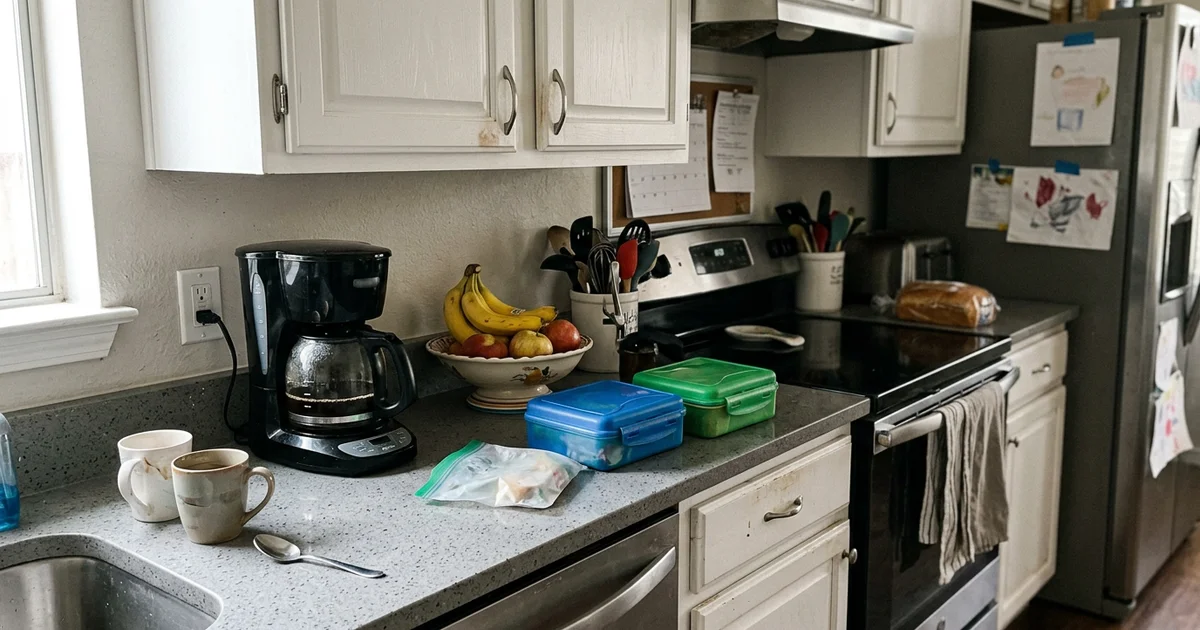
The Big Worry: Will It Chip?
We regularly see property owners struggling with the exact same kitchen renovation challenge. The question of how long do painted cabinets last usually comes down to a clear answer of 8 to 15 years for a professional application.
That solid lifespan relies entirely on doing the correct prep work and using the right premium coatings.
Our experience shows that skipping even one step guarantees early failure. This is exactly why durable cabinet refinishing starts long before any color goes on. Let’s break down the actual lifespan data and walk through the specific steps that prevent early chipping.
Why Cabinet Paint Isn’t Wall Paint
We always explain that wall paint fails on kitchen woodwork because it remains too soft. Cabinets require a specialized coating system that can handle daily bumps, greasy hands, and constant friction. Standard acrylics will peel off your doors almost immediately.
Our standard process uses industrial products to prevent these exact failures. Woodwork demands a rigid barrier to survive the constant daily impact. A proper application sequence includes several mandatory steps:
- Degreasing: Removing the invisible film of cooking grease using heavy-duty Trisodium Phosphate (TSP).
- Scuff sanding: Creating microscopic scratches so the primer has a physical texture to grip.
- Bonding primer: Applying specialized formulas like B-I-N shellac-based primer to grab slick surfaces.
- Enamel topcoat: Applying hard-curing urethane enamels instead of soft latex paint.
We see terrible results when property owners skip these crucial preparation phases. Paint simply slides right off the greasy edges. Using a dedicated cabinet enamel is the only way to ensure longevity.
Typical Lifespan
We find that high-quality cabinet paint jobs last 8 to 15 years in average American homes. This duration highlights true painted cabinet durability, matching many factory-applied finishes. A busy household with heavy cooking will naturally see wear faster than a quiet home.
Our team evaluates several variables that decide exactly how many years your finish will survive. Taking care of the surface early on makes a massive difference. The following factors determine the final outcome:
| Factor | Helps lifespan | Hurts lifespan |
|---|---|---|
| Prep | Full TSP degrease and shellac primer | Painting directly over grease or gloss |
| Product | 2K polyurethane or urethane enamel | Using standard latex wall paint |
| Application | Sprayed evenly with an airless system | Applying thick coats with a brush |
| Early use | Gentle handling during the 30-day cure | Banging doors heavily right away |
| Cleaning | Wiping with a soft damp microfiber cloth | Scrubbing with abrasive magic erasers |
| Household | Light traffic and proper ventilation | Heavy daily cooking without a range hood |
We emphasize that gentle cleaning habits extend the life of your kitchen. Heavy scrubbing quickly degrades even the strongest protective layers. Proper ventilation during cooking also prevents moisture damage.
Cure Time and Early Care
We caution every client that cabinet paint cure time takes up to 30 days. The enamel might feel perfectly dry to the touch in just a few hours. The chemical cross-linking process actually takes weeks to reach maximum hardness.
Our crews usually rehang doors within days, but the finish remains vulnerable. Products like Benjamin Moore Advance take a full 16 hours just to recoat. You must treat the woodwork gently while the resins lock together completely.
We recommend following a strict protection plan for the first month. Small changes in behavior prevent permanent gouges in the fresh paint. Protect your investment by following these rules:
- Gentle operation: Using the actual hardware rather than touching the painted wood.
- Moisture control: Keeping wet towels away from freshly painted drawer fronts.
- Careful wiping: Cleaning spills gently with a damp cloth instead of heavy scrubbing.
- Impact protection: Installing small rubber pads on doors to stop them from slamming.
- Adhesive avoidance: Banning sticky tape from the new finish entirely.
High-Wear Zones
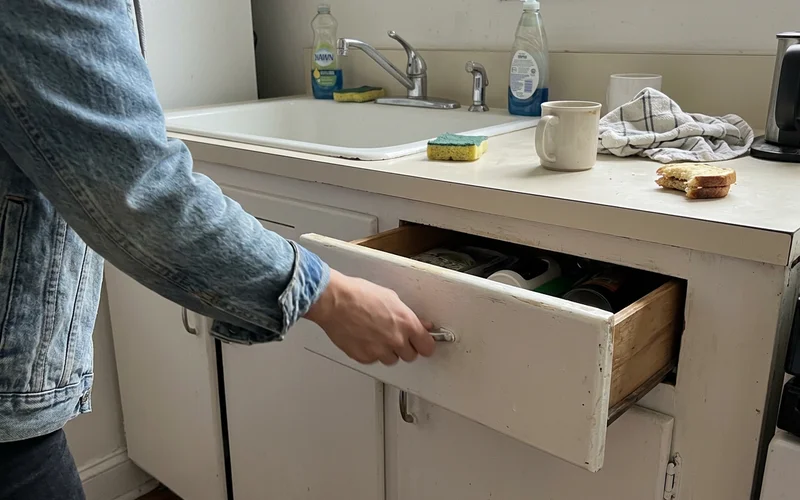
We pay extra attention to specific spots that take a daily beating. Even the strongest industrial finishes wear out faster near the sink and trash pull-out. Water, steam, and dirty fingernails constantly attack these precise locations.
Our preparation methods target these vulnerable zones aggressively to prevent early failure. Installing large bar pulls keeps messy hands far away from the painted edges. The most common failure points include the following areas:
- Under the sink: Taking damage from dripping water and dishwasher steam.
- Trash pull-outs: Suffering from constant yanking and heavy food spills.
- Edges near handles: Catching scratches from wedding rings and long fingernails.
- Lower baseboards: Getting hit by vacuums, pet bowls, and heavy shoes.
We track repair trends, and trash pull-outs are the top area needing touch-ups in 2026. Moisture and impact create a worst-case scenario for any painted coating. Proper hardware selection remains your absolute best defense against premature damage.
Sprayed vs Brushed Affects Durability
We use Graco airless sprayers because sprayed finishes cure harder and last much longer. A sprayed finish deposits a thin, perfectly uniform layer of liquid enamel. Brushed coatings often leave thick spots that stay soft and vulnerable for months.
Our guide on sprayed vs brushed finishes covers the exact differences in detail. Thin coats allow the chemical binders to harden completely through to the wood. Heavy brush marks trap moisture underneath the surface layer and delay curing.
We always tell property owners that smooth finishes resist chipping much better. A textured brush stroke creates a raised ridge that easily catches on pots and pans. Spraying ensures maximum longevity for your newly painted kitchen investment.
Touch-Ups and Maintenance
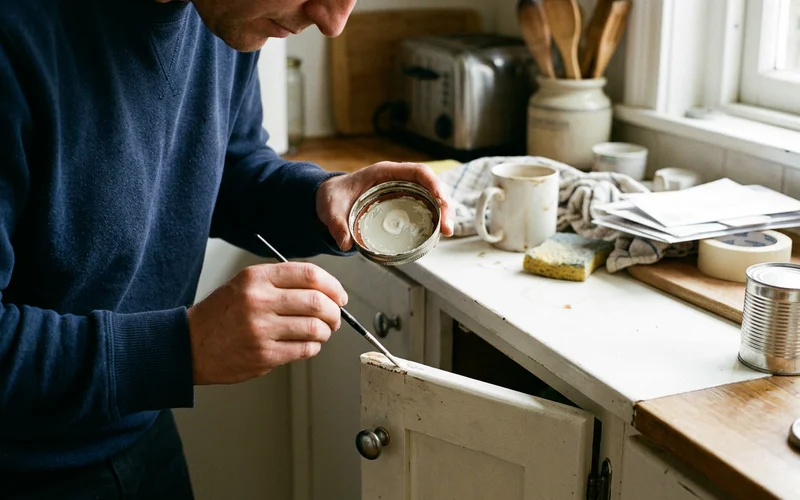
We leave a small jar of labeled leftover enamel specifically for future repairs. Clients frequently ask, do painted cabinets chip under heavy daily use? Small nicks are completely normal in busy kitchens with heavy foot traffic.
Our recommended maintenance routine relies on gentle cleaning rather than harsh chemicals. Products like bleach or abrasive scouring pads will strip the sheen right off the doors. You can easily repair minor damage by following this simple method:
- Cleaning phase: Washing the damaged spot completely with mild soap and warm water.
- Sanding phase: Smoothing any sharp or rough edges lightly with 320-grit paper.
- Painting phase: Dabbing a tiny drop of the original paint into the chip using an artist brush.
- Drying phase: Letting the spot harden completely before touching the door again.
We strongly advise against using aggressive degreasers for weekly wipe-downs. A soft microfiber cloth handles almost every daily spill perfectly without scratching. Keeping the surface clean prevents acidic food from eating through the protective topcoat.
Hardware and Habits That Help
We install premium soft-close hinges to instantly add years to your cabinet finish. Slamming doors creates repeated impact stress that eventually cracks the hard enamel shell. A few smart physical upgrades make a massive difference in long-term durability.
Our favorite trick is adding oversized metal pulls so hands never touch the paint. Human skin contains natural oils that slowly break down paint binders over time. Adopt these specific habits to protect your freshly painted kitchen:
- Consistent handle use: Grabbing the metal hardware instead of the painted door edge.
- Hardware upgrades: Installing Blum soft-close mechanisms to completely eliminate violent slamming.
- Instant spill cleanup: Wiping away sink splashes before they soak into the cabinet seams.
- Ventilation habits: Turning on the range hood to pull airborne cooking grease outside.
- Gentle cleaning: Washing surfaces strictly with gentle dish soap and warm water.
We see immediate improvements when homeowners install cabinet hardware. Bare painted corners degrade rapidly when grabbed dozens of times a day. Simple hardware additions remain the cheapest way to protect your refinishing investment.
When to Refresh Painted Cabinets
We recommend a simple color refresh when the original finish starts showing consistent wear on the edges. High-traffic environments will eventually dull even the best commercial coatings. The National Kitchen & Bath Association noted in 2026 that US kitchens are expanding into larger social spaces, making their appearance highly visible.
Our refinishing process for already-painted cabinets goes much faster than the initial project. The woodwork already has a strong layer of bonding primer deeply embedded in the grain. A quick scuff sand and a fresh urethane topcoat can completely transform the room again.
We frequently update cabinet colors just because a homeowner wants a different design aesthetic. You do not have to wait for the paint to completely fail before updating the style. A new shade of green or blue brings immediate life to an aging layout.
Painted Cabinets vs New Cabinets
We constantly help clients compare the cost of painting versus ordering brand-new replacements. In 2026, the average US kitchen cabinet replacement costs well over $20,000 for standard layouts. Professional cabinet painting typically ranges from $2,000 to $6,500 for a similar American home.
Our clients save a massive amount of money by utilizing the sturdy wooden boxes they already own. Factory finishes on cheap new cabinets often chip easily and resist easy touch-ups. Painted wood can be repaired directly on site without ordering expensive replacement parts.
We believe refinishing offers the best return on investment for structurally sound kitchens. Tearing out good wood creates unnecessary waste and extends the renovation timeline by weeks. Upgrading the existing color makes financial sense for almost every residential property.
Signs a Cabinet Paint Job Was Rushed
We inspect many failing kitchens and instantly recognize the signs of a sloppy contractor. Paint should never feel sticky or gummy weeks after the original application date. A soft surface usually indicates that someone skipped the crucial degreasing step or used standard latex.
Our repair teams frequently see paint peeling off in massive sheets near the handles. This delamination happens because the base layer has absolutely nothing to grip. Look for these clear red flags of a rushed paint project:
- Heavy brush marks: Pooling in the door corners and leaving hardened drips.
- Lifting edges: Tearing up in large sections where masking tape was removed.
- Visible wood grain: Showing deeply on doors that were supposed to look perfectly smooth.
- Rubbery textures: Denting easily when you press a fingernail into the surface.
- Hidden clear coats: Revealing a shiny, unsanded layer underneath the chipped primer.
We warn property owners that these issues require a complete chemical stripping to fix correctly. Painting over a failing latex layer just causes the new paint to peel off with it. Proper foundational work remains the only guarantee against these disastrous results.
Built to Last
We match specialized bonding primers to your exact cabinet material for maximum adhesion. Spraying top-tier waterborne enamels guarantees a strong finish, answering the question of how long do painted cabinets last with a clear decade or more.
Proper care during the curing phase ensures the surface reaches its full protective strength.
Our goal is to leave you with a kitchen that handles daily family life effortlessly. The right professional techniques keep the woodwork looking fresh, bright, and highly durable. Quality preparation is the absolute key to a lasting transformation.
We invite you to contact our team to discuss your specific kitchen needs. A quick consultation provides all the details required to start your next project. Schedule an estimate today to beautifully transform your space without the massive cost of replacement.