
Short Answer: Yes, Usually
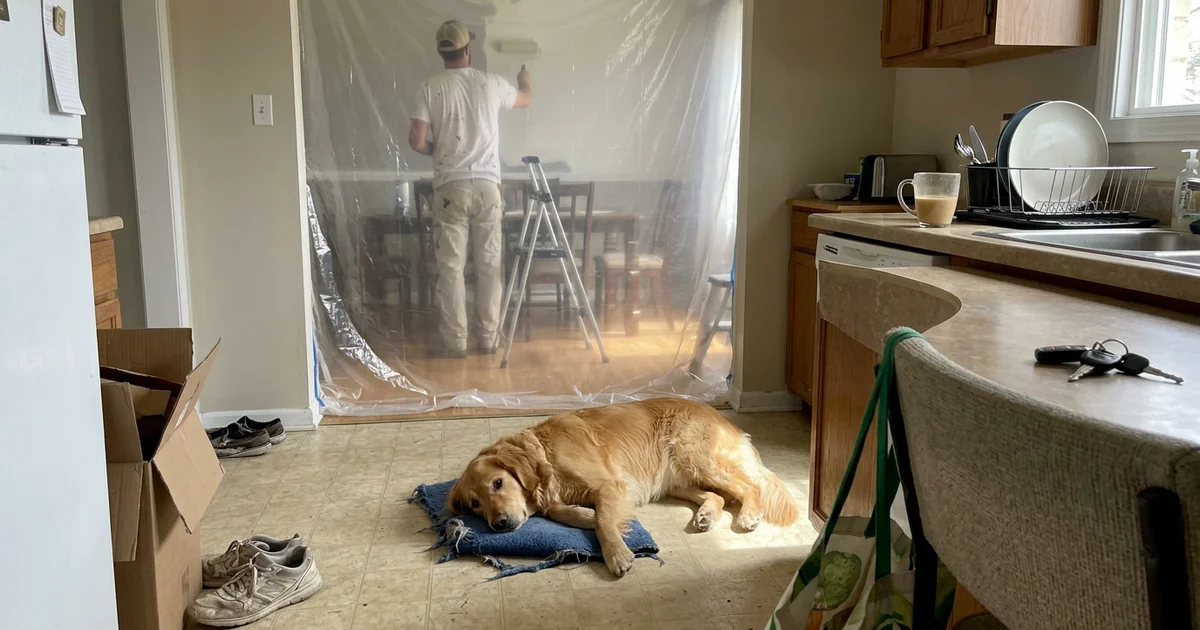
We hear this question every single week from homeowners anxious about uprooting their daily routines. If you are wondering, can you stay home while painting interior spaces, the short answer is absolutely yes.
It all comes down to managing airflow and sequencing the work properly.
Let’s look at how we make interior painting livable, what the latest paint technology actually means for your air quality, and the exact steps you can take to make the process easier.
How We Sequence Rooms
We never tear up your whole house at once. A professional crew typically finishes a standard 120-square-foot room in just four to eight hours. This speed allows the team to plan the order of rooms so you always have essential spaces available.
A comfortable sequence ensures you retain access to:
- A bedroom to sleep in
- A working kitchen
- At least one usable bathroom
- A place to work or relax during the day
A typical schedule starts with spare rooms and hallways, moving next to the main living area while you use the kitchen. We finish the essential bedrooms one at a time. The estimate process includes a detailed conversation about your daily routine to build a workflow around your family’s needs.
Odor and Ventilation
Our crew always prioritizes proper airflow before opening a single paint can. Today’s quality interior paints have much less odor than older paints, but some smell is perfectly normal while the finish dries.
The US Consumer Product Safety Commission advises keeping fresh air circulating for 48 to 72 hours after painting. A few strategic moves help clear the air quickly:
- Open windows when the weather allows.
- Run fans pointed out a window to pull stale air through.
- Keep doors open between painted rooms and the outdoors.
- Run your HVAC fan to keep indoor air moving constantly.
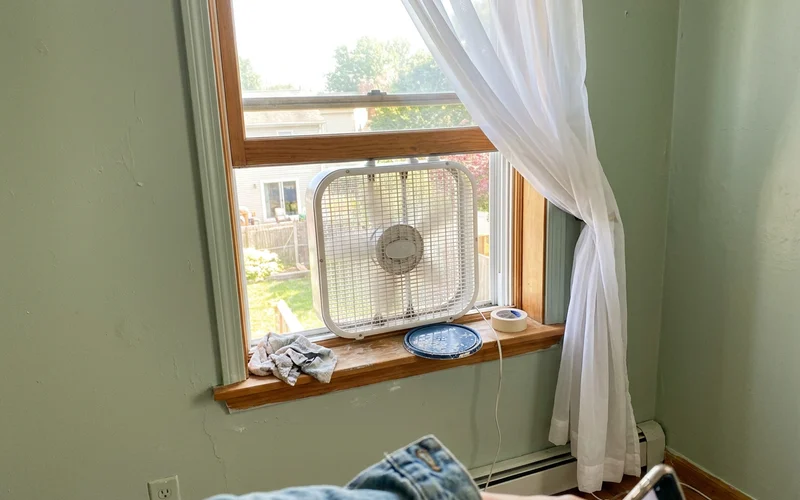
Most odor fades within a day or two. Ventilation matters because trapped air allows fumes to linger longer in closed spaces.
Low- and Zero-VOC Options
If anyone in your home is sensitive, ask for low-VOC or zero-VOC paint. The US EPA generally classifies paint as zero-VOC if it contains less than 5 grams of volatile organic compounds per liter. Excellent modern options like Benjamin Moore Eco Spec or Sherwin-Williams ProMar 200 Zero VOC offer professional coverage without the harsh fumes.
We especially recommend these healthier products for specific situations:
- Nurseries and kids’ rooms
- Homes with someone who has asthma or allergies
- People working from home during the project
- Homes with pets, especially birds, which are highly sensitive to respiratory irritants.
This targeted approach keeps the most vulnerable family members safe. Our guide comparing low-VOC vs zero-VOC paint explains the exact chemical differences. You will also learn how adding tint can actually change the final VOC levels.
Kids and Pets
Keep vulnerable family members completely out of active work zones for their absolute safety. Managing paint fumes, kids, pets, and daily routines requires just a few extra precautions.
- Kids: Keep little ones out of rooms being painted, mainly for basic safety around heavy ladders and wet surfaces. Children can usually start using the rooms again the very same evening or the next morning.
- Pets: Wet paint and curious animals simply do not mix. The ASPCA Animal Poison Control Center warns that small pets are highly susceptible to paint poisoning if they ingest wet flakes or breathe concentrated fumes.
We suggest using a closed room, crate, or gated area during active work hours. Dogs and cats can safely return to painted rooms once the walls are dry to the touch and the smell has completely faded, which usually takes about 24 hours.
Furniture and Your Stuff
We move and cover all the furniture in the rooms before the painting begins. Professional crews use heavy-duty, slip-resistant canvas drop cloths rather than cheap plastic tarps to protect your floors and belongings.
Before the team arrives, it helps immensely if you handle a few quick tasks:
- Take down art, mirrors, and curtains.
- Put away valuable items and breakables.
- Clear items from shelves, nightstands, and dressers near walls.
- Unplug electronics and bundle the cords.
At the end of each room’s completion, the furniture goes right back where it originally was.
Daily Cleanup
At the end of every single day, the crew cleans up the entire workspace. We follow strict safety protocols to ensure your home remains livable overnight.
Daily Cleanup Promise: Tools are put away, drop cloths are folded neatly, and walkways are completely cleared before the team leaves.
Any room you need to access is made fully usable again. For homes built before 1978, contractors must follow EPA lead-safe rules, which involve using specialized HEPA vacuums to capture harmful dust.
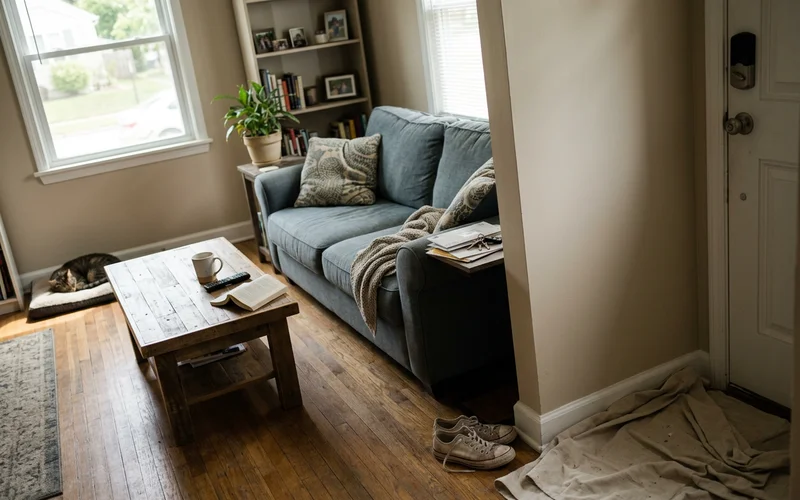
You should never have to step around stray paint cans or tall ladders in the dark.
When Moving Out Makes Sense
Living at home during painting works perfectly for the vast majority of standard projects. You might want to plan a night or two away under a few specific conditions:
- Someone in the home is very chemically sensitive.
- The project requires oil-based alkyd paints, which release stronger fumes and take up to 24 hours to cure.
- The kitchen cabinets are being refinished and you prefer to eat out.
- The whole house is being painted on an extremely tight schedule.
- Major drywall repairs will create excessive airborne dust.
Even in these specialized situations, the relocation is usually very short. We find that a quick weekend trip is often all it takes to avoid the most disruptive phases. The peace of mind is well worth the minor inconvenience.
A Quick Comfort Checklist
A little preparation goes a long way in minimizing stress. This simple timeline helps you track what to do at each stage of the project.
| Before | During | After |
|---|---|---|
| Choose low- or zero-VOC paint if needed | Keep windows open and fans running | Air out rooms for a full day |
| Plan exactly where pets will stay | Keep kids and pets out of wet rooms | Go easy on scrubbing walls for two weeks |
| Clear small items and electronics | Use rooms as they are finished | Keep leftover paint for future touch-ups |
We recommend printing this list and keeping it on the fridge during the project. Checking off these quick steps keeps everyone on the exact same page.
Working From Home During Painting
Many modern customers work from home at least part of the week. Electric sanders can reach up to 90 decibels, making quiet concentration difficult, so planning is essential.
A few smart strategies make the workday much easier to manage:
- Paint your office last or first, so it stays untouched or gets finished quickly.
- Plan important calls around noisy prep days, especially when sanding and patching happen. Knowing how long it takes to paint a house interior helps you plan the whole week.
- Use a room far away from the active work zone for video meetings.
- Ask the crew about the daily schedule so you always know which room will be busy.
We always accommodate remote workers by mapping out the noisy tasks in advance. This proactive communication prevents surprise interruptions during your important client calls.
Sleeping Arrangements
If bedrooms are on the project list, the team usually paints them early in the day so they have maximum time to dry.
Is it safe to sleep in a freshly painted room? Yes, as long as you use the right materials and allow proper airflow.
With low-VOC or zero-VOC paint and an open window, most healthy adults sleep in the room that exact same night.
We advise planning for an extra night in the guest room if someone in the house has asthma. The Consumer Product Safety Commission generally recommends waiting a full 24 hours before sleeping in newly painted spaces if traditional high-VOC formulas are used.
Bathrooms and Kitchens
We plan the workflow strictly around your family’s daily needs. The project manager will tell you in advance exactly which day each essential room is scheduled.
Here is what you can expect for functional spaces:
- Bathrooms: Usually out of commission for only part of a single day.
- Showers: Because acrylic paints take up to 30 days to fully cure, avoid taking long, steamy showers for the first few days.
- Kitchens: Stay entirely usable unless the physical cabinets are being coated.
This heads-up allows you to prep meals or shower early without missing a beat.
Plan It Together
At your initial estimate, tell the estimator who is home during the day, any health sensitivities, and any important dates. We will build a personalized room order and product list around your specific household.
This detailed plan is then included directly in your written quote. Our goal is to make the home improvement process as invisible to your daily life as possible. Schedule a consultation today to see how simple a professional interior upgrade can actually be.