
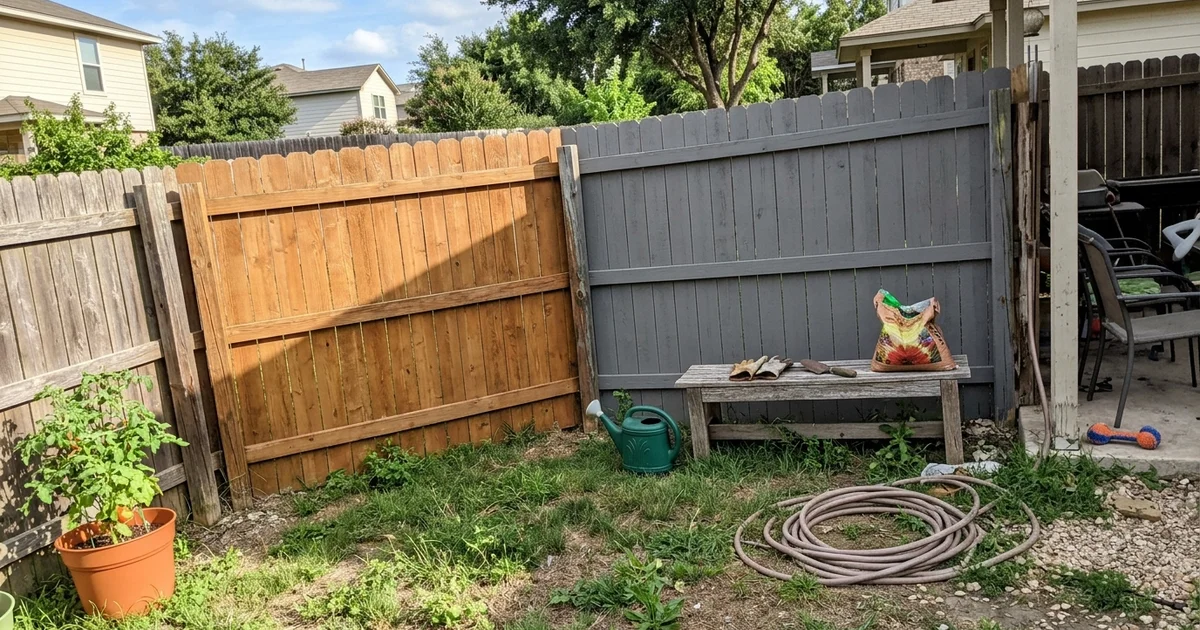
Two Very Different Looks
As professional contractors, we see countless exterior wood projects fail simply because the wrong finish was applied. Opacity dictates far more than just the final color of your backyard structure. It actively determines how the wood handles moisture, UV exposure, and long-term maintenance.
We have found that understanding the chemistry behind these finishes is the only way to avoid premature peeling and costly repairs down the road.
That critical choice between semi-transparent and solid options will dictate your maintenance schedule for the next five to ten years. Let’s break down the actual performance differences, review the costs, and outline exactly how to choose the best product for your upcoming deck and fence staining project.
Semi-Transparent Stain
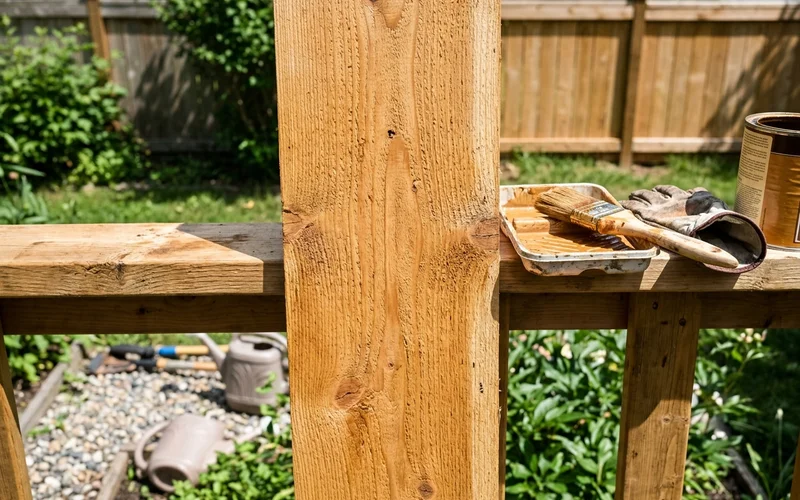
Semi-transparent stain contains a light amount of pigment that soaks directly into the wood fibers rather than forming a film on top. This penetrating action means you still see the grain and natural variation of the lumber.
We often apply oil-based options like Ready Seal because they allow the wood to breathe, which is crucial in humid Southern climates. A standard semi-transparent application typically lasts two to three years on horizontal decks and up to five years on vertical fences.
Moisture can escape easily without pushing the stain off the board.
Pros
- Shows off wood grain, especially on cedar
- Fades gradually instead of peeling
- Easy to recoat without stripping
- Good UV protection with the right product
Cons
- Doesn’t hide weathered, gray or mismatched boards
- Needs recoating more often, especially on decks
Solid Stain
Solid stain is heavily pigmented and behaves almost exactly like a thin paint. It completely covers the wood grain while still allowing some of the underlying texture to show through.
This heavy pigmentation relies on ingredients like titanium dioxide to block harsh UV rays and protect the lumber. We routinely see high-quality solid stains, such as Sherwin-Williams SuperDeck or Benjamin Moore Arborcoat, last five to ten years on vertical fencing.
These premium acrylic products usually retail for $50 to $65 per gallon in 2026.
Pros
- Hides weathered, gray or patched wood
- Evens out mismatched boards
- Lasts longer on vertical surfaces like fences
- Wide range of colors, including grays and modern tones
Cons
- Can peel on horizontal deck boards
- Hard to reverse once applied
- Hides natural wood beauty
Durability on Horizontal Surfaces
This category is the main deciding factor for outdoor flooring. Solid stain forms a distinct surface film that takes the direct abuse of foot traffic, standing water, and intense sun exposure.
Over time, this film will eventually wear through in high-traffic spots and crack in others. We frequently receive calls to fix these patchy, peeling decks.
Fixing a failed solid coating is labor-intensive and requires significant preparation.
A failing solid stain cannot simply be painted over; you must completely remove it to ensure the new coat adheres properly to the bare wood.
You must physically remove the old film using chemical strippers and thorough sanding. Contractors typically use random orbital sanders equipped with 80-grit paper to grind away the stubborn, flaking patches.

Semi-transparent stain simply soaks in and wears away gradually over the seasons. Our crews prefer the semi-transparent approach for horizontal surfaces. When it is time for maintenance, you just clean the surface and apply another coat without fighting any peeling material.
Side-by-Side Comparison
This quick reference chart compares the essential performance metrics of both coating types. Review these specifications to match the right product to your specific structure.
| Feature | Semi-transparent | Solid |
|---|---|---|
| Grain visibility | Yes | Mostly hidden |
| Hides weathered wood | No | Yes |
| Expected lifespan (Fence) | 3 to 5 years | 5 to 10 years |
| Expected lifespan (Deck) | 2 to 3 years | 3 to 5 years (with peeling risk) |
| Recoating | Easy | Easy if same type |
| Switching later | Can go to solid | Must strip to go back |
| Best for | Newer or good-condition wood, decks | Older fences, mismatched boards |
Switching From One to the Other
Transitioning from semi-transparent to solid is a simple cleaning process, but reverting from solid back to semi-transparent requires intense chemical stripping. Make sure you are completely certain before upgrading to an opaque finish.
- Semi-transparent to solid: Transitioning to an opaque finish is relatively straightforward. You just need to clean the wood with a specialized wood cleaner and apply the solid stain. We often recommend this simple transition for older, graying fences that have outlived their natural look.
- Solid to semi-transparent: Reversing the process requires extreme effort and specialized chemicals. You must chemically break down the solid film using a dedicated deck stain remover, followed by an acidic wood brightener to restore the wood’s natural pH balance.
This chemical stripping process is time-consuming and often leaves trace amounts of pigment embedded in the grain. Our technicians find that most property owners who make the switch to an opaque finish decide to stay with it permanently. So if you find yourself unable to decide, always start with a semi-transparent formula.
You have the flexibility to transition to a heavier coverage later.
A Third Option for Decks
For horizontal decking, a true penetrating oil-based stain provides a highly durable alternative. These oil formulas soak deeply into the cellulose fibers instead of drying on the surface.
We prefer applying penetrating oils on custom decks because the finish slowly fades instead of flaking off in chunks. Premium options like Cabot Australian Timber Oil offer excellent protection against both water damage and color loss.
Regular recoating is necessary every two years, but the maintenance process requires zero sanding.
Our Usual Recommendations
Every property has unique sun exposure and moisture levels, but a few standard rules apply to most projects. Our team typically follows these base guidelines for residential jobs. You can adjust these based on your specific aesthetic goals.
- New cedar fence: Semi-transparent to highlight the expensive natural grain pattern
- New pressure-treated pine fence: Allow three months to weather, then apply semi-transparent or solid depending on your preference
- Older, gray or patched fence: Solid stain to mask imperfections and mismatched replacement boards
- Deck floor: Semi-transparent or penetrating oil to prevent future peeling
- Deck railings: Either option works well, often matched to the perimeter fencing
Cost Differences
Stain type affects your final material budget slightly, but the preparation labor and surface accessibility impact the total bill far more. A gallon of premium penetrating oil currently costs around $45, while high-end solid acrylics can exceed $60 per gallon.
We calculate project estimates based primarily on the required sanding, stripping, and cleaning hours. Applying the actual finish is usually the fastest part of the entire job.
Our comprehensive guide on fence staining cost explains the full financial picture for local properties. You can read it to plan your budget accurately.
Color Choices
Semi-transparent options generally stay within the natural wood spectrum, offering tones like cedar, redwood, honey, and light brown. Solid coatings provide a much broader architectural palette.
You can choose stark grays, deep blues, or even custom tint matching to blend perfectly with your home’s exterior siding. We notice that popular solid choices in 2026 include modern shades like slate gray and rich russet brown.
Before selecting a final color for your project, consider these three factors:
- Architecture matching: Ensure the tone complements your exterior window trim and roof color.
- Heat retention: Darker solid grays and browns will absorb more sunlight and make a deck physically hotter.
- Neighborhood rules: Always verify the approved color list with your association before purchasing any materials.
How Many Coats?
Semi-transparent stain is typically applied in a single, even layer that yields about 150 to 250 square feet of coverage per gallon. Very porous or heavily weathered wood might require a light second application to reach full saturation.
We always back-brush semi-transparent formulas to push the oils deep into the wood and prevent a sticky, shiny surface from forming. Solid stains require two full coats to achieve their rated durability and complete color uniformity.
Applying these dual coats properly ensures the titanium dioxide pigments can form an effective UV barrier.
Maintenance Over Time
Regular upkeep prevents the need for aggressive restoration work down the line. We provide recurring maintenance plans to keep your exterior wood protected year-round. Following a set schedule extends the life of your boards significantly.
- Semi-transparent: Clean the surface with a mild brightener and recoat every two to three years. No stripping or heavy sanding is necessary.
- Solid: Wash the boards annually and apply a fresh coat when the pigment visibly fades. If peeling occurs, you must scrape and sand the loose areas down to bare wood first.
- Penetrating oil on decks: Plan to reapply a light maintenance coat every 24 months to keep the water-repellent properties active.
What About Clear Sealers?
Clear water sealers are heavily marketed at local hardware stores, but they perform poorly in direct sunlight. These thin liquids contain virtually no pigment, which means they offer zero UV protection for the cellulose fibers.
We frequently see wood treated with clear sealers turn gray within just six to twelve months under the intense Texas sun. A high-quality semi-transparent finish loaded with trans-oxide pigments provides a much better defense.
You maintain the natural aesthetic of the wood while actually protecting it from structural degradation.
Fences in HOA Communities
Many planned neighborhoods maintain strict aesthetic guidelines regarding perimeter boundaries. Under recent Texas laws like Senate Bill 1588 and SB 711, your property owners’ association cannot prevent you from building a perimeter fence, but they absolutely retain the legal right to regulate its appearance.
We regularly review local architectural guidelines to help clients follow these specific material and color mandates. Most associations require a natural cedar tone for semi-transparent applications, while others maintain a pre-approved list of specific solid colors.
When submitting your architectural modification request, always include the following details:
- The exact brand name of the coating
- The specific color code or name
- A physical color swatch or manufacturer printout
- Your contractor’s official written estimate
Not Sure Which to Pick?
During a standard consultation, we evaluate the age of your lumber, assess the previous coating, and discuss your long-term maintenance goals. Physical sample boards allow you to see exactly how the sunlight hits the different pigments.
Our team will then recommend the best formula for your specific yard and list the exact product by name in your written quote.
Call the office today to set up your site visit and get your project started.