
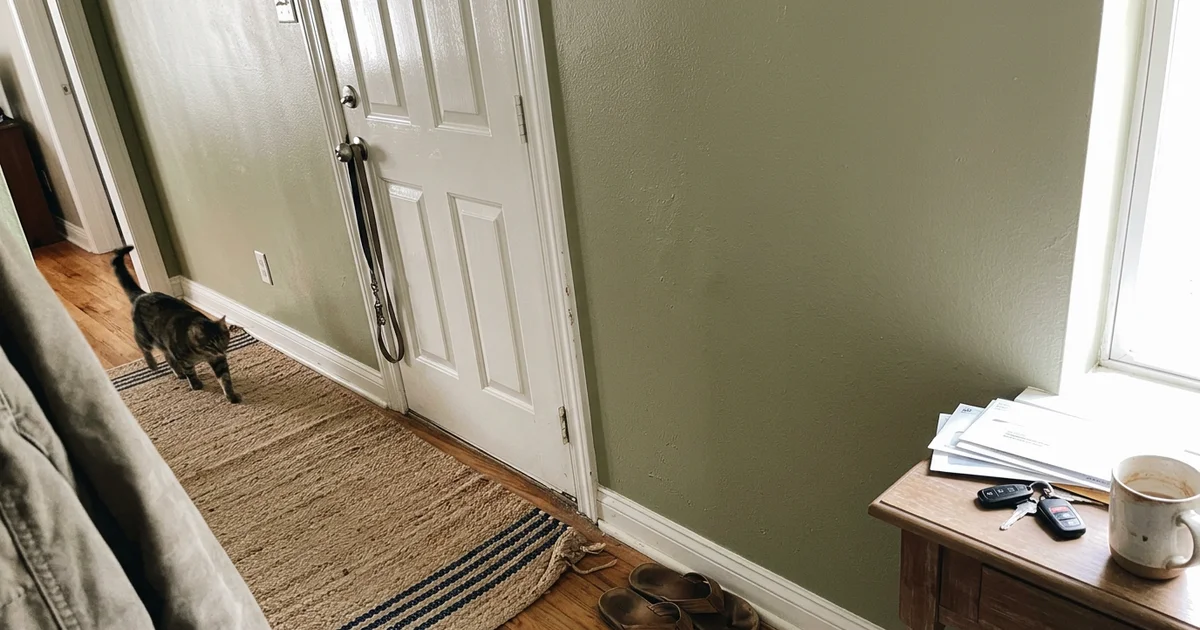
We often notice property owners agonizing over the perfect color swatch while completely ignoring the finish.
The actual sheen you select dictates everything from a room’s daily maintenance to its long-term durability. During a typical interior painting in Austin consultation, finishing options take center stage.
Our standard process always starts with analyzing how much natural light hits your walls. This specific detail changes how a room looks and determines how easy those walls are to clean.
Let’s break down the data behind these finishes in this paint sheen guide and walk through the exact options you need for your property.
What Is Paint Sheen?
Paint sheen is the exact percentage of light a dried paint finish reflects off its surface. High-sheen formulas look shiny and smooth, while low-sheen options appear soft and flat.
We evaluate this using a scale called Light Reflectance Value, or LRV. This 0 to 100 scale helps property owners understand how a color will perform in a real room. Absolute black absorbs all light with an LRV of 0, while pure white reflects maximum light at 100.
Our experts use LRV data to balance artificial and natural lighting. Picking the right sheen matters just as much as picking the right color pigment, because the finish physically alters the light in the space.
The Sheen Ladder
The different levels of shine range directly from completely matte to highly reflective. Manufacturers measure this finish as a percentage of light bounced off the surface at a 60-degree angle.
Here is the standard paint sheen guide from least to most shine:
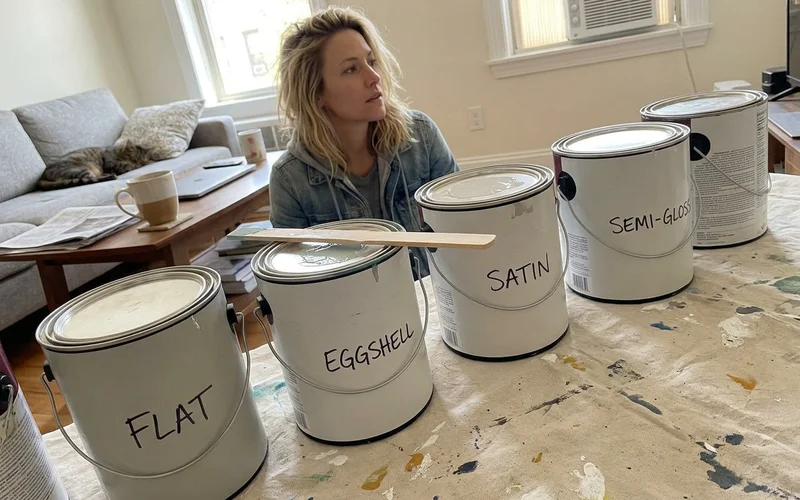
- Flat (matte): Reflects 0 to 5 percent of light. This finish hides flaws best but is the hardest to clean.
- Eggshell: Offers a soft glow resembling the shell of an egg with 10 to 25 percent reflection. It provides a great balance of looks and washability.
- Satin: Bounces 25 to 35 percent of light for a gentle sheen. It is easier to clean than eggshell but shows a bit more texture.
- Semi-gloss: Sits at 35 to 70 percent reflection and looks noticeably shiny. This very durable and washable finish will show wall imperfections.
- Gloss: Reflects 70 to 85 percent or more of light. You should reserve this highly shiny option mostly for doors, cabinets, or specific architectural accents.
We always remind clients that names and exact shine levels vary slightly by brand. A specific Sherwin-Williams matte finish looks almost like an eggshell, while a Benjamin Moore matte appears almost completely flat. This specific brand variance is exactly why testing physical samples on your wall is mandatory.
The Big Trade-Off: Washability vs Hiding Flaws
The shinier the paint formula, the easier it is to wipe clean. The major drawback is that high gloss highlights bumps, dents, drywall patches, and old roller marks.
We look at recent market data to understand the real cost of this trade-off. According to the 2026 Paint Price Index, standard flat paint averages $15 to $50 per gallon, while premium semi-gloss runs $25 to $80 per gallon. You pay more upfront for shine, but you gain a finish that resists moisture and physical scuffs.
Here is how the two extremes compare:
- Low sheen formulas scatter incoming light. Small dings and drywall patches blend into the background naturally. Scrubbing these walls too hard can lift the paint or leave a shiny burnished spot.
- High sheen formulas reflect light in a continuous smooth sheet. Every single surface flaw becomes highly visible under bright lights. The major benefit is that the hard resin surface wipes clean and completely blocks moisture.
Our typical recommendation depends entirely on what the specific surface faces every day. You must evaluate the daily traffic level, local moisture risks, and ambient light sources before making a purchase.
Room-by-Room Picks
Choosing the correct finish for each room prevents premature wear and expensive early repaints. The table below outlines standard recommendations based on durability and visual appeal.
| Surface | Our usual pick | Why |
|---|---|---|
| Ceilings | Flat | Hides flaws, cuts glare |
| Living and dining rooms | Eggshell | Soft look, reasonably washable |
| Bedrooms | Eggshell | Calm, low glare |
| Hallways and stairwells | Eggshell or satin | More scuffs and hand marks |
| Kids’ rooms and playrooms | Satin | Stands up to scrubbing |
| Kitchens | Satin | Wipes clean, handles grease and steam |
| Bathrooms | Satin or semi-gloss | Resists moisture |
| Trim and baseboards | Semi-gloss | Durable, easy to wipe |
| Interior doors | Semi-gloss | Takes hands and bumps |
| Cabinets | Satin or semi-gloss enamel | Hard, cleanable finish |
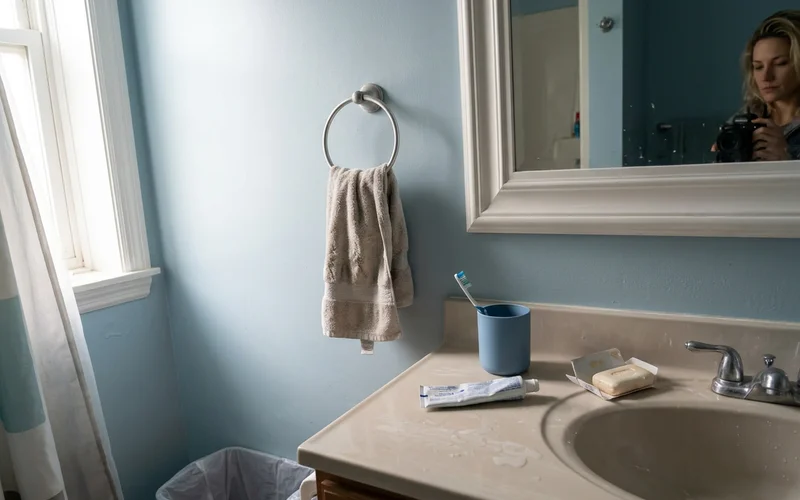
We strongly advise prioritizing moisture resistance in wet areas. The best sheen for bathroom walls in most building standards is satin, paired with a semi gloss for trim. This specific combination resists the daily steam from showers while keeping your baseboards incredibly easy to wipe down.
A Few Central Texas Notes
Strong natural light instantly exposes uneven drywall finishing. Big west-facing windows rake afternoon sunlight across your walls, highlighting every single texture difference and minor patch. In those specific rooms, a lower-reflective eggshell often looks significantly better than a satin finish.
We see a massive amount of builder-grade flat paint on walls throughout newer homes in Pflugerville, Leander, and other growing suburbs. These cheap builder flats scuff easily and simply do not scrub clean. Upgrading these surfaces to a high-quality eggshell vs satin finish makes daily maintenance much easier for busy families.
Your existing wall texture also plays a huge role in the final look. Orange peel and knockdown textures naturally hide minor flaws on their own. You can often step up one full sheen level on textured walls without highlighting any underlying drywall problems.
Mixing Sheens on Purpose
Most modern properties utilize at least two different sheens in every room. Homeowners usually pick a flatter option for the large walls and a shinier, harder finish for the woodwork.
We love using this intentional contrast to make architectural trim look sharp and crisp. Some property owners even apply the exact same paint color in two different sheens to create a subtle, tone-on-tone aesthetic. A matte black wall paired with high-gloss black baseboards creates a striking visual effect.
If you need help deciding how to handle your specific woodwork, our guide on painting trim and doors covers all the current enamel choices and proper application timing.
Touch-Ups and Sheen
Sheen consistency dictates how easily you can fix a scratched wall. Higher gloss finishes make spot touch-ups highly visible because a newly painted patch reflects light differently than the cured paint.
We recommend using eggshell or flat finishes on large walls precisely because they are much more forgiving to repair. You can usually blend a flat patch perfectly into the rest of the surface.
To make future repairs easier, follow these exact labeling steps for your leftover paint cans:
- Write the specific room name directly on the lid.
- Record the manufacturer and exact color formula.
- List the specific sheen percentage used for that batch.
- Seal the metal lid tightly with a rubber mallet.
Sheen and Color Work Together
The gloss level physically alters how your eyes perceive a specific color. The exact same paint tint mixed in a flat base and a semi-gloss base will read as two different shades on your wall.
We see this optical illusion happen constantly on job sites. Higher sheens bounce more light into the room, making the color appear slightly lighter and much more vivid. Flat finishes absorb that light, causing the same color to look softer and slightly darker.
This interaction gives you one more crucial reason to sample colors in the exact sheen you plan to buy. A printed color swatch on a glossy paper chip will never look exactly the same as an eggshell finish drying on your living room wall.
Common Sheen Mistakes
Property owners often rush their paint purchases and end up with mismatched finishes that require immediate repainting. Avoiding a few basic errors will save you significant time and money.
Here are the most frequent finish mistakes we correct:
- Semi-gloss on large walls. The shiny surface highlights every single drywall bump and old roller mark, especially near windows.
- Flat finishes in kitchens. Matte surfaces absorb cooking grease quickly, mark easily, and do not scrub well with standard household cleaners.
- Wall paint applied to trim. Standard wall latex scuffs very fast when kicked or bumped. High-traffic trim always requires a harder, durable enamel.
- Mixing sheens on a single flat surface. Doing a spot touch-up with a slightly different gloss level creates an ugly flashing effect that stands out in the light.
- Skipping the sheen details in a contractor quote. You must ensure your written scope of work explicitly lists the exact sheen for every single surface.
Ceilings Are a Special Case
Most residential ceilings look best coated in a dead-flat finish. This zero-reflection choice hides unsightly drywall seams, overlapping roller marks, and old plaster patches perfectly. It also prevents annoying glare from bouncing off your recessed overhead lights.
We make a strict exception for enclosed bathrooms with poor exhaust ventilation. If your bathroom traps heavy steam, you should switch to a specialty mildew-resistant ceiling paint with a slightly higher luster. Products like Sherwin-Williams Bathroom semi-gloss or satin formulas help repel moisture before it can penetrate the drywall paper.
Not Sure? Sample It
The absolute safest way to choose a finish is to paint a physical sample board and place it in the actual room.
You should observe how the sample reflects both the morning sunshine and your artificial evening lights.
During our initial color consultations, we evaluate the room’s traffic and lighting to recommend a specific sheen for each individual surface. Our team clearly lists every finish in your written quote so there is zero confusion on painting day.
Hopefully, this paint sheen guide helps you feel more confident about your upcoming property updates. Reach out to our office today to schedule your walkthrough and get your interior painting project started on the right foot.